
How to Get Even Color and Long-Lasting Results
Many wood staining problems happen because of poor prep, wrong product choice, or rushing the job. The most common mistakes include skipping sanding, not cleaning the surface, applying too much stain, and ignoring dry times. If you avoid these issues, your wood can look smooth, rich, and even. Whether you are working on a deck, fence, or cabinets, good habits make a big difference.
Why Prevention Matters
Fixing a bad staining job takes time and money. You may need to strip the surface, sand again, and start over. That can double the work. A careful plan helps you save effort and get better results the first time. Wood absorbs stain fast, so mistakes can show up right away. Once the color sets, it is hard to hide blotches or streaks.
Early Warning Signs of Trouble
If you catch problems early, you can often fix them before the stain dries fully. Watch for these signs during application:
- Dark patches that look wet longer than other areas
- Light spots where stain is not soaking in
- Drips running down vertical boards
- Sticky or tacky areas after the normal dry time
These issues often point to surface prep problems or uneven application. Stop and correct the area before moving on.
Seasonal or Routine Checklist
Weather and timing play a big role in staining. Heat, cold, and humidity all affect how stain dries and soaks into wood.
- Check the forecast. Work on a dry day with mild temps.
- Test moisture level. Wood should be dry before staining.
- Clean the surface. Remove dirt, mildew, and old finish.
- Sand evenly. Smooth wood absorbs stain better.
- Stir the stain well. Do not shake, which adds bubbles.
- Test a small area first. Check color before full use.
This simple list can prevent many common problems.
Best Practices for Long-Term Results
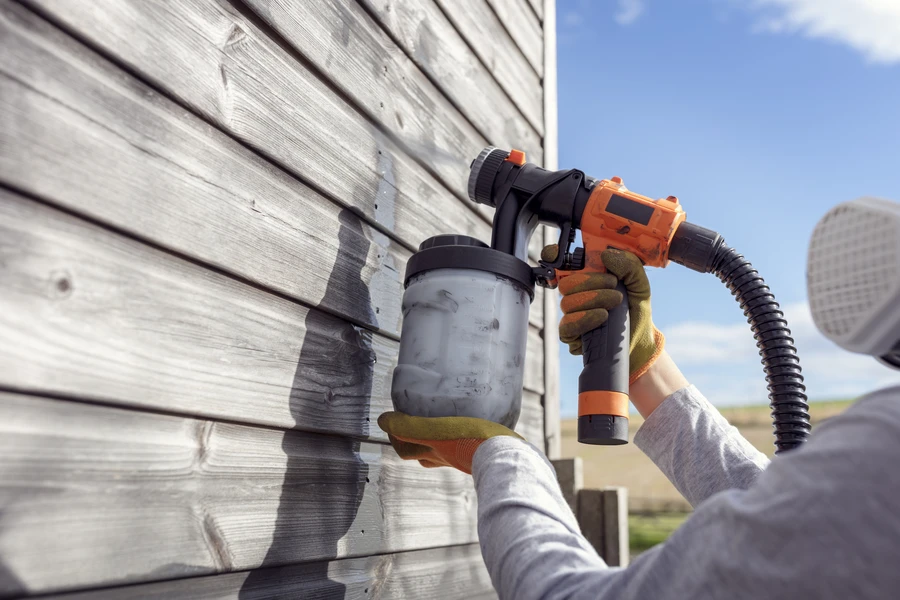
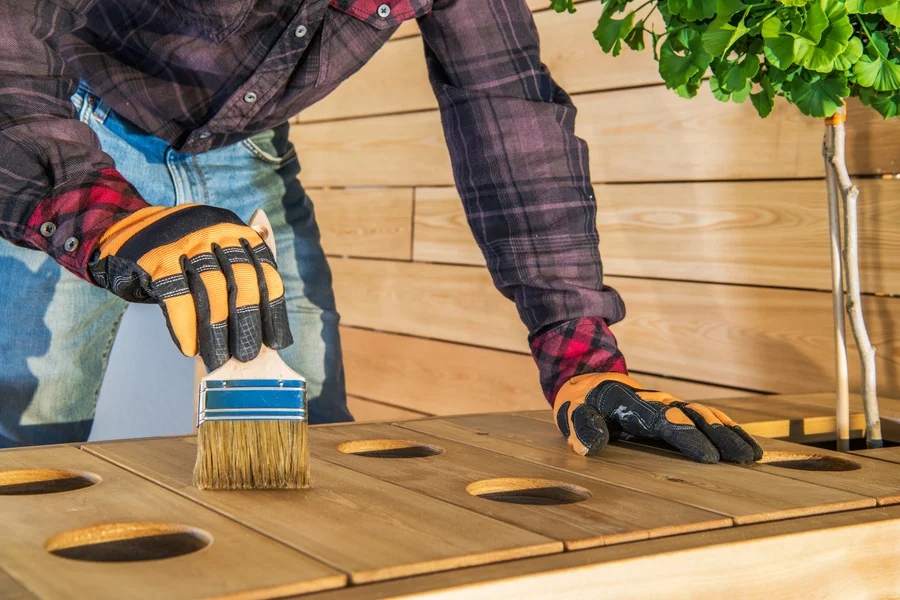
Good technique leads to a finish that lasts. Always apply stain in thin, even coats. Use a brush, pad, or sprayer made for wood surfaces. Work in small sections so you can wipe off extra stain before it dries.
Follow the grain of the wood. This helps the color look natural. Keep a wet edge so lap marks do not form. If you are staining large areas like decks, plan your path so you do not trap yourself in a corner.
Dry time matters. Let each coat dry fully before adding another. Rushing this step can cause peeling or a sticky surface later. Read the label and follow the maker’s guide.
What Not to Do
Avoid these common staining mistakes:
- Skipping sanding because the wood “looks fine”
- Staining over dirty or moldy boards
- Applying thick coats to speed up the process
- Ignoring safety gear like gloves and masks
- Mixing different stain brands without testing
Another mistake is picking the wrong type of stain. Exterior projects need products made for outdoor use. Indoor wood needs a finish that fits the space. Using the wrong kind can lead to fading, peeling, or poor color.
When to Schedule Professional Help
Some jobs are too large or complex for a simple DIY approach. Multi-level decks, detailed trim, or older wood with heavy wear may need expert care. If the surface has deep cracks, rot, or layers of old coatings, fixing it can take special tools and skills.
Professional staining teams know how to prep surfaces, choose the right product, and apply it evenly. This helps the finish last longer and look better. It can also save you from costly redo work.
Get Reliable Results for Your Next Project
If you want help with wood staining in Baltimore, MD, our team at Jamecca Painting Company LLC is ready to assist. We handle prep, repairs, and full staining projects with care and attention to detail. Call us at (443) 390-4884 to talk about your project and set up a service visit. We are happy to help you protect and improve your wood surfaces.