
How to Match Wall Colors With Your Furniture and Decor
Coordinating interior painting with home furnishings means choosing wall colors that work well with your floors, sofas, rugs, and decor. The goal is balance. Your paint should support the room, not fight against it. When colors fit together, the space feels calm and pulled together. When they clash, the room can feel busy or off. With a clear plan, you can pick paint colors that make your furniture stand out in a good way.
What to Review Before You Start
Before starting any interior painting project, take a close look at what is staying in the room. Large items set the tone. Small items add accents.
- Sofa and chairs
- Area rugs and carpet
- Cabinets and wood floors
- Artwork and throw pillows
- Window treatments
Notice the main color and the undertone. For example, gray can look blue, green, or even purple. Beige can feel pink or yellow. Hold paint samples next to your couch or flooring to see how they react in natural light. Lighting changes color more than most people expect.
Step-by-Step Plan for a Coordinated Look
Use a simple step-by-step plan to make choices easier and avoid costly mistakes.
- Pick your anchor piece. This is often the sofa or rug. Since these items cost more to replace, build around them.
- Choose a main wall color. Pull a shade from your anchor piece or select a soft neutral that matches its undertone.
- Select an accent color. This can show up on one wall, in decor, or through accessories.
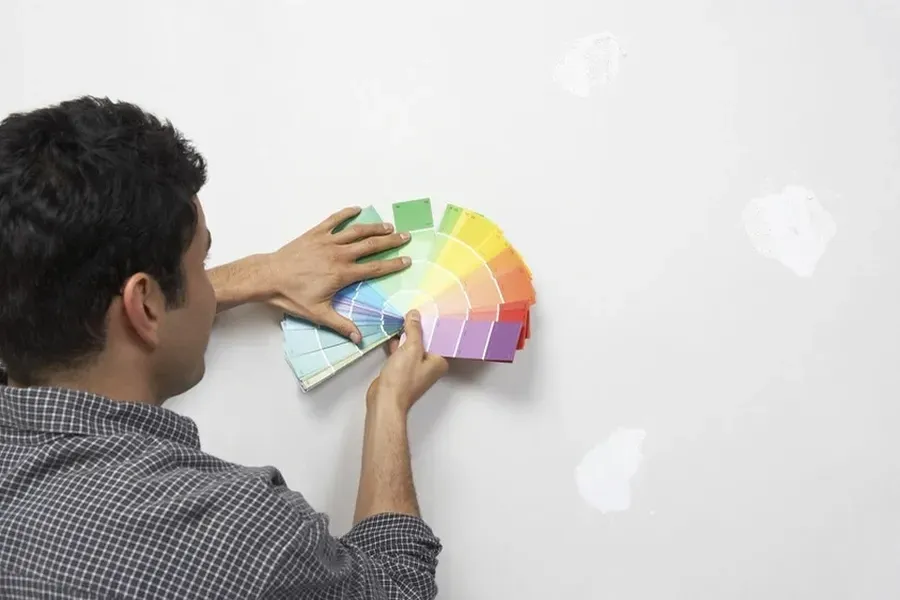
- Test paint samples. Paint small sections on different walls. Check them in morning and evening light.
- Think about flow. Make sure nearby rooms do not clash. Colors should move smoothly from space to space.
This method keeps your interior painting project focused. It also helps prevent impulse choices that may not work long term.
Common Mistakes to Avoid
Many homeowners pick paint first and shop for furniture later. That can work, but it often makes decorating harder. It is usually simpler to match paint to existing furnishings.
Another common mistake is ignoring undertones. A warm beige wall may clash with a cool gray couch. The colors may look fine alone but feel off together.
Using too many bold colors is another issue. If your rug has bright red and blue, a calm wall color may balance the space better than another strong shade.
Finally, do not rely only on a tiny paint chip. Large sample areas give a more honest view of how the room will feel.
When Neutral Walls Work Best
Neutral colors are popular in interior painting for good reason. They create a soft backdrop and allow furniture to shine. Shades like warm white, greige, and light taupe work well with many styles.
Neutrals are helpful if you change decor often. You can swap pillows, art, or curtains without repainting every time. This saves both time and money.
If your furnishings are already bold or patterned, neutral walls often keep the room from feeling crowded.
When to Call a Professional
Some rooms are harder to coordinate than others. Open floor plans need careful color flow. High ceilings and large windows change how paint looks throughout the day.
A professional can:
- Spot undertone conflicts
- Recommend colors that fit your lighting
- Create a smooth look from one room to the next
- Deliver clean lines and even coverage
Professional interior painting also saves time and reduces stress. Instead of second guessing your choices, you get guidance and solid results.
Get Help Creating a Balanced, Beautiful Space
If you are planning interior painting in Baltimore, MD, we can help you match your walls to your furniture with confidence. At Jamecca Painting Company LLC, we take time to review your existing decor and suggest colors that fit your style and lighting. Our team handles prep, painting, and clean up with care so your home looks polished and complete. Call us at (443) 390-4884 to set up a conversation about your next project.